Corn to Concrete Project
What connects us?
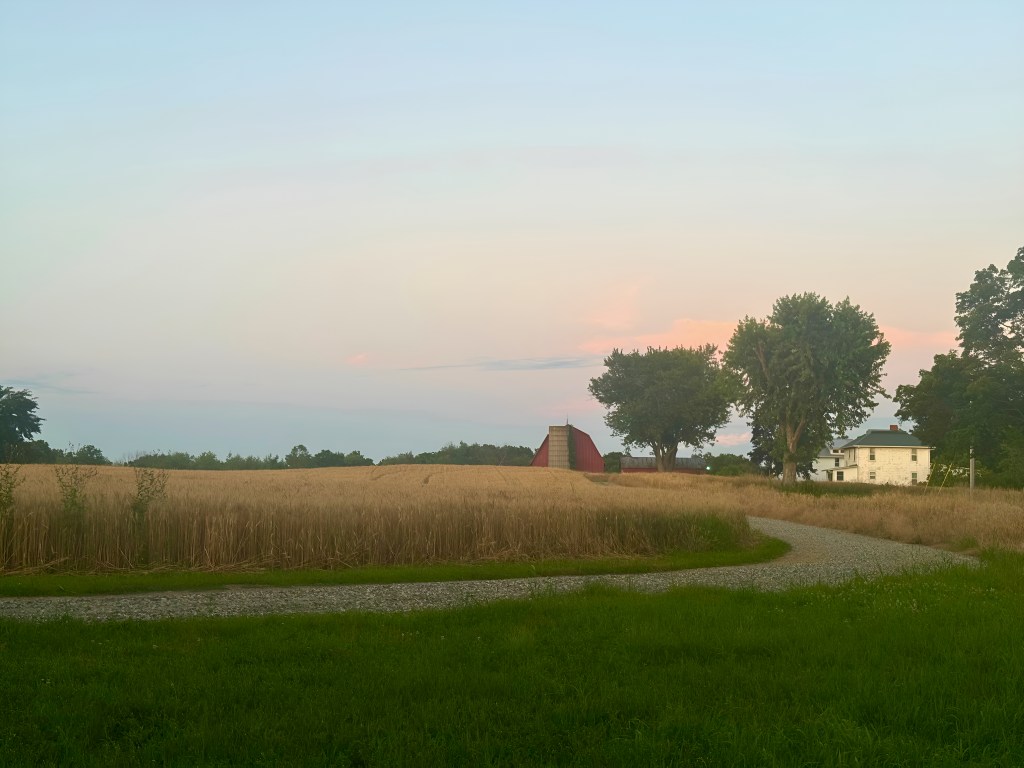
Rediscovering connection through cultural exchange and conversations with strangers starting from the cornfields in Ohio to concrete cities across America
About
The idea for this project first spawned when I was still living in London. I had already decided to move back home to the States and buy a van to live in, and after months of futile job applications, I realized I may have to work a job well outside of my field. Still, I dreamed of how I could spend my free time living out my passions without restraints: that looked like talking to strangers each place I pass through, being a journalist even if only for myself and a small audience, and documenting America in its current manifestations. And, if you know me, telling people as much about their brains as they’ll let me.
Being able to live and travel in a van by choice is a privilege, and it enables me to get the whole picture – something that I wouldn’t have access to being stationed in one place. A Zoom call with a stranger 800 miles away fails to capture the faint scent of oncoming rain in the air, the hollowness of an abandoned town and the old couple still living there, the bustling of a big city and the reactions of pedestrians, and everything else that fills our senses when we’re standing in front of the person we’re speaking to. I hope to capture stories of every day people through three mediums: short blogs, videos, and black & white film photographs.

My interview for each person is short and sweet, and I always strive for it to be more conversation than interview. I ask five simple questions free from controversy and career. My goal with this specific project is to find out what unites us rather than divides, what it is that makes us all human. There is also a short segment where we can each teach one another a short dance or recipe originating regionally or ethnically.
I try to bring out the spirit, the playfulness, connection, and dance being lost in day-to-day life in modern America that was once prominent in most (if not all) civilizations throughout history. America contains a unique, rich diversity of people from all over the globe-but we are also a place that uniquely loses and erases this cultural richness, both through colonization and assimilation. In my case, my great-greats and recent ancestors from Belgium, Ireland, Sweden, and Germany weren’t forced to come here but came here in hopes of a better future. In doing so, language, recipes, clothes, and all other traditions were lost, so much so that we no longer have any family recipes or traditions originating from our grandparents.
Epigenetics informs our behavior whether we like it or not, meaning the difficulties and traumas faced by our recent ancestors directly influences us on a genetic level. But they had answers to processing that grief, too; answers connected to the land, people, and traditions of the places they belonged to.
That being said, I hope to help reverse this forgetting, to help people remember, to document, and to re-invent what has been lost, perhaps even uncovering parts of my own heritage in the process.

Check out these interviews at the social media channels linked below.

